
Deep dimensional letters
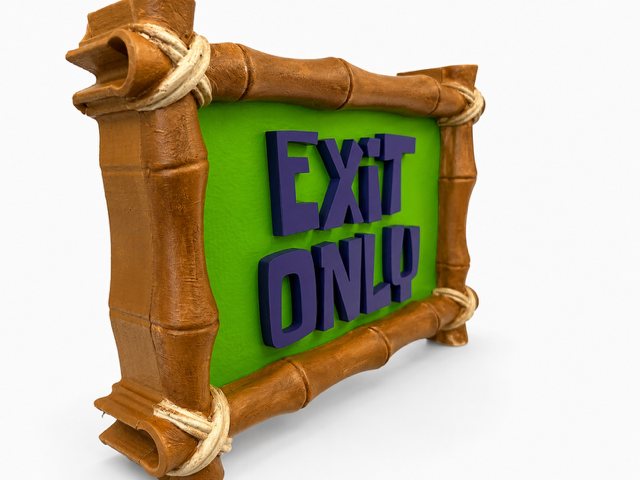
HDU can create substantial projection and visible side depth without the weight of many solid substrates.
Compare HDU and acrylic for custom sign letters, raised logos, building identification and layered sign components. The best choice depends on depth, detail, finish, exposure, mounting and the look your project needs.
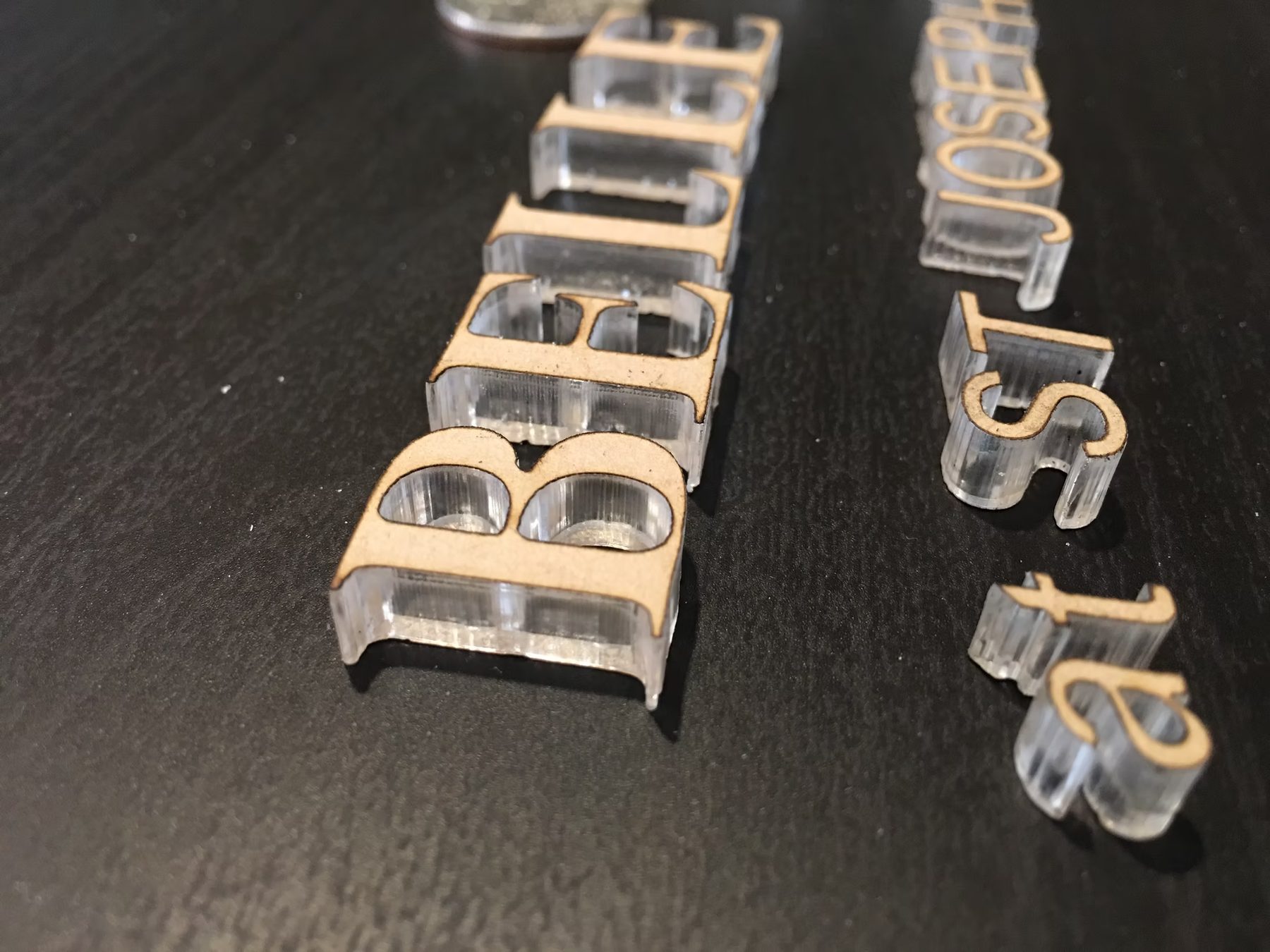
HDU and acrylic solve different production problems. HDU is a rigid urethane sign board that can create routed depth, carved profiles and painted dimensional components. Acrylic is a solid plastic sheet that produces clean flat-cut letters, crisp logo shapes and layered faces.
The material should follow the final artwork, size, exposure and installation plan—not simply the keyword used in the quote request. A large exterior logo with deep projection may favor HDU. A thin interior wall logo with small details may favor acrylic. A layered sign may use both.
| Project factor | HDU letters | Acrylic letters |
|---|---|---|
| Visual depth | Well suited to thicker routed letters, raised overlays and dimensional sign faces. | Commonly used for thinner flat-cut letters or layered assemblies that create depth. |
| Detail | Routes cleanly, but very small counters and narrow strokes require review. | Can produce crisp flat-cut detail when thickness, heat and edge requirements are appropriate. |
| Finish | Typically primed and painted to approved face and side colors. | Available in stock colors or may be painted, printed or faced as specified. |
| Weight | Useful when a thicker dimensional appearance is needed with manageable weight. | Weight increases with thickness and total area; thin letters can remain compact. |
| Typical use | Exterior sign letters, monument faces, carved profiles, raised logos and custom panels. | Interior branding, flat-cut letters, layered logos, face overlays and repeat production sets. |
| Mounting | Studs, patterns, spacers, adhesive or panel mounting may be considered. | Studs, tape, adhesive, spacers or panel mounting may be considered based on thickness and surface. |
HDU can create substantial projection and visible side depth without the weight of many solid substrates.
Beveled edges, recessed backgrounds, textured panels and shaped logo components are natural HDU applications.
HDU works well when the sign face, raised letters and decorative components are finished as one coordinated painted system.
Flat-cut acrylic creates a precise manufactured edge for many office, retail and branded wall applications.
Acrylic may be selected when the design contains fine flat-cut shapes that would be vulnerable in a thicker routed foam letter.
Stock colors, clear material and layered acrylic components can create contrast without painting every surface.
Some sign designs benefit from using both materials.
A routed HDU base can provide depth and a painted return while an acrylic face creates a smooth contrasting surface. Separate acrylic icons may be applied to an HDU panel, or acrylic letters may be paired with routed HDU borders and backgrounds. The artwork must show each layer, and the quote should identify the exact material rather than using a generic term such as “3D letters.”
Adhesive selection, expansion, edge clearance and exterior exposure should be considered before combining materials. Dry-fitting the layers before final bonding helps catch alignment problems while adjustments are still possible.
Provide cap height, overall logo dimensions and the available sign area.
Identify interior or exterior placement, viewing distance and expected weather exposure.
State the visual projection or shadow you want the finished letters to create.
Provide colors, sheen, stock material preferences and face-versus-side requirements.
Describe the wall, panel or sign substrate and the installer’s preferred attachment method.
Identify one custom set, replacement characters or repeat sets for multiple locations.
Both can be used for appropriate outdoor sign applications. HDU is often selected for routed depth and painted dimensional work. Acrylic is often selected for clean flat-cut faces and layered components. The design, exposure, thickness, finish and mounting method determine the better choice.
Weight depends on thickness and total area. HDU is generally selected when substantial visual depth is needed without using a heavy solid material.
Yes. A routed HDU base may be combined with an acrylic face or separate acrylic logo components when the materials and adhesives are compatible with the design and exposure.
Acrylic may hold some small flat-cut details more cleanly, while HDU thickness and minimum stroke must be reviewed carefully. The artwork should be evaluated at the final size.
HDU is commonly primed and painted. Acrylic may be supplied in a stock color, printed, painted or used with applied films depending on the project specification.
Patterns and mounting support may be quoted for either material once the final layout and attachment method are known.
We can review the final size, detail, depth, finish and mounting plan before quoting HDU, acrylic or a layered combination. Include the quantity and delivery ZIP.
Production desk: 888-539-1114
Email: sales@urbanfreshservices.net